How Do Astronomers Find Planets in Other Solar Systems?
How Do Astronomers Find Planets in Other Solar Systems?
Astronomers use a variety of techniques to detect planets in other solar systems, also known as exoplanets.
One…
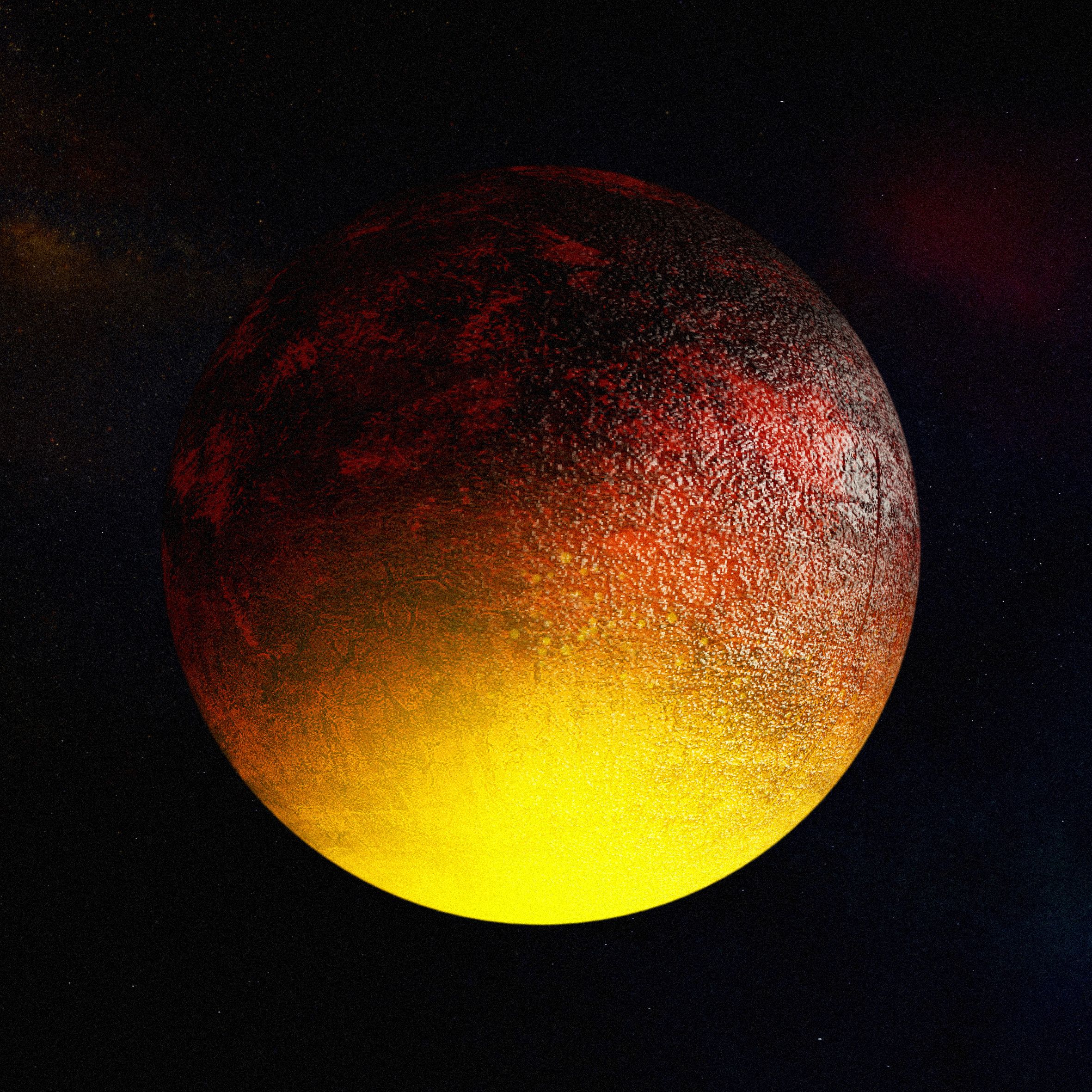
How Do Astronomers Find Planets in Other Solar Systems?
Astronomers use a variety of techniques to detect planets in other solar systems, also known as exoplanets.
One common method is the transit method, where astronomers observe a slight dip in the brightness of a star as a planet passes in front of it.
Another technique is the radial velocity method, which involves measuring the slight wobble of a star caused by the gravitational pull of an orbiting planet.
Astrometry is another method used to find exoplanets, which involves measuring the tiny movements of a star in response to the gravitational pull of its planets.
Direct imaging is a more challenging method that involves capturing actual images of exoplanets by blocking out the light of their parent stars.
Gravitational microlensing is another method that relies on the bending of light by a massive object, such as a planet, to detect exoplanets.
The use of these various techniques has led to the discovery of thousands of exoplanets in recent years, expanding our understanding of the diversity of planetary systems in the universe.
By studying these exoplanets, astronomers can learn more about the formation and evolution of planets, as well as the potential for finding habitable worlds beyond our own solar system.
As technology continues to improve, astronomers are expected to discover even more exoplanets in the future, further expanding our knowledge of the universe.
In conclusion, the search for exoplanets is an exciting and ongoing field of study that is helping us to uncover the mysteries of the cosmos.